Designing AI-powered symptom monitoring and care during the global pandemic
Summary
At the start of the COVID-19 pandemic, Babylon Health needed to scale remote care rapidly as physical health systems locked down. I led experience design across a global AI platform, establishing design system standards and launching AI-assisted care tools for millions of users. This work drove the global mobile platform update across more than 10 countries, expanding access to vital medical support during a global crisis.
Date: Mar 2020—Nov 2020
Role: Global Creative Director, Experience Design
Stage: 1→10
Tools: Figma, Zeroheight, Storybook
Outcomes & Key Results
Designed AI-enabled care products for acute and chronic conditions that directly drove $400M in deals and a $4.2B IPO.
Set Babylon’s design-system standard, led the React Native replatforming and redesigned the mobile app, creating one product foundation shared across iOS, Android and web; the app achieved a 4.8/5 App Store rating and App of the Day recognition.
Led a global department of 90 staff across Design, Research and Localisation for an AI-native digital health platform operating in more than 10 countries, used by 24 million patients and handling more than 2.3 million symptom checks per day at peak usage.
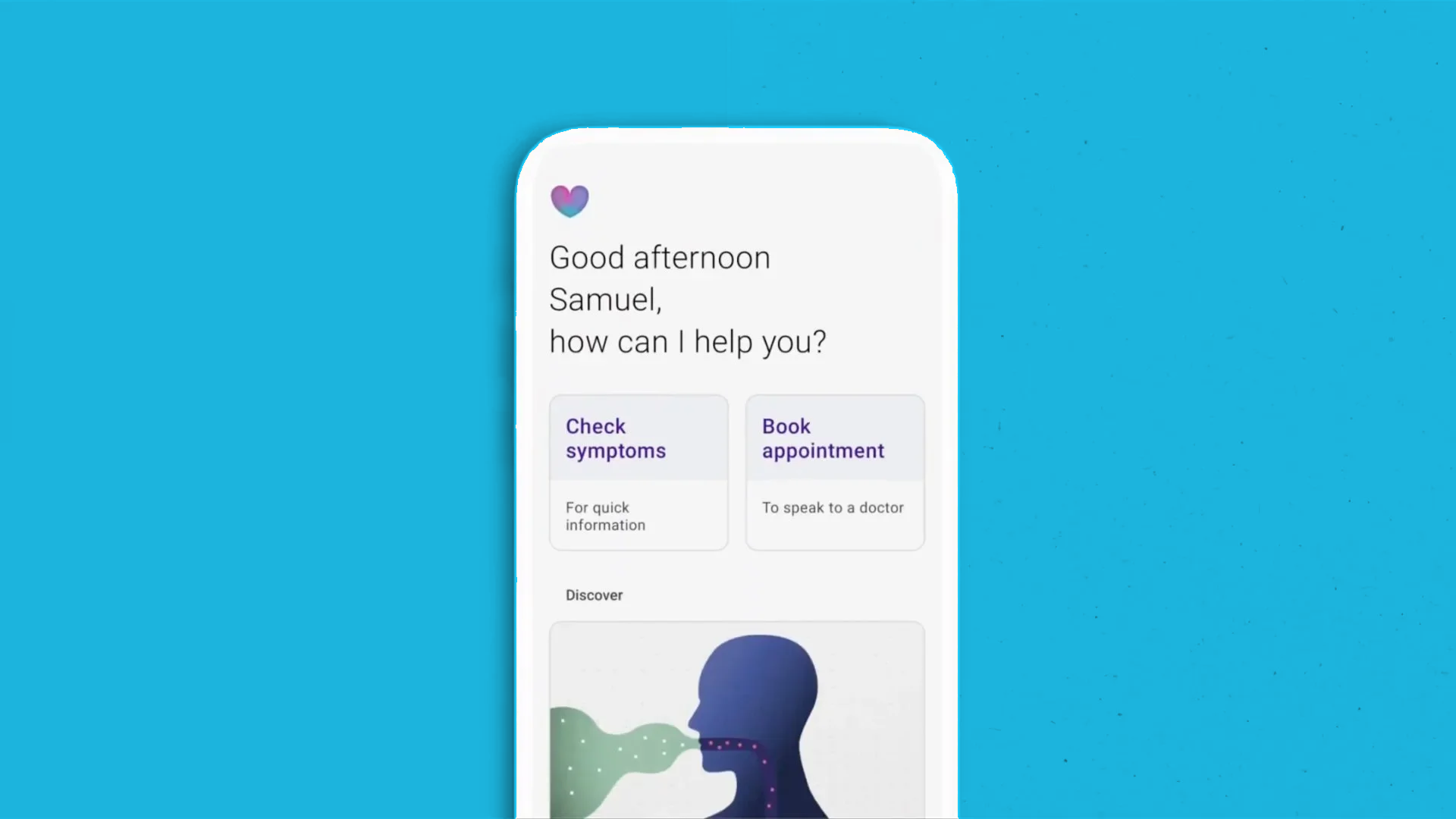
The main CTAs on the Babylon home screen were routes into the symptom checker and book an appointment.
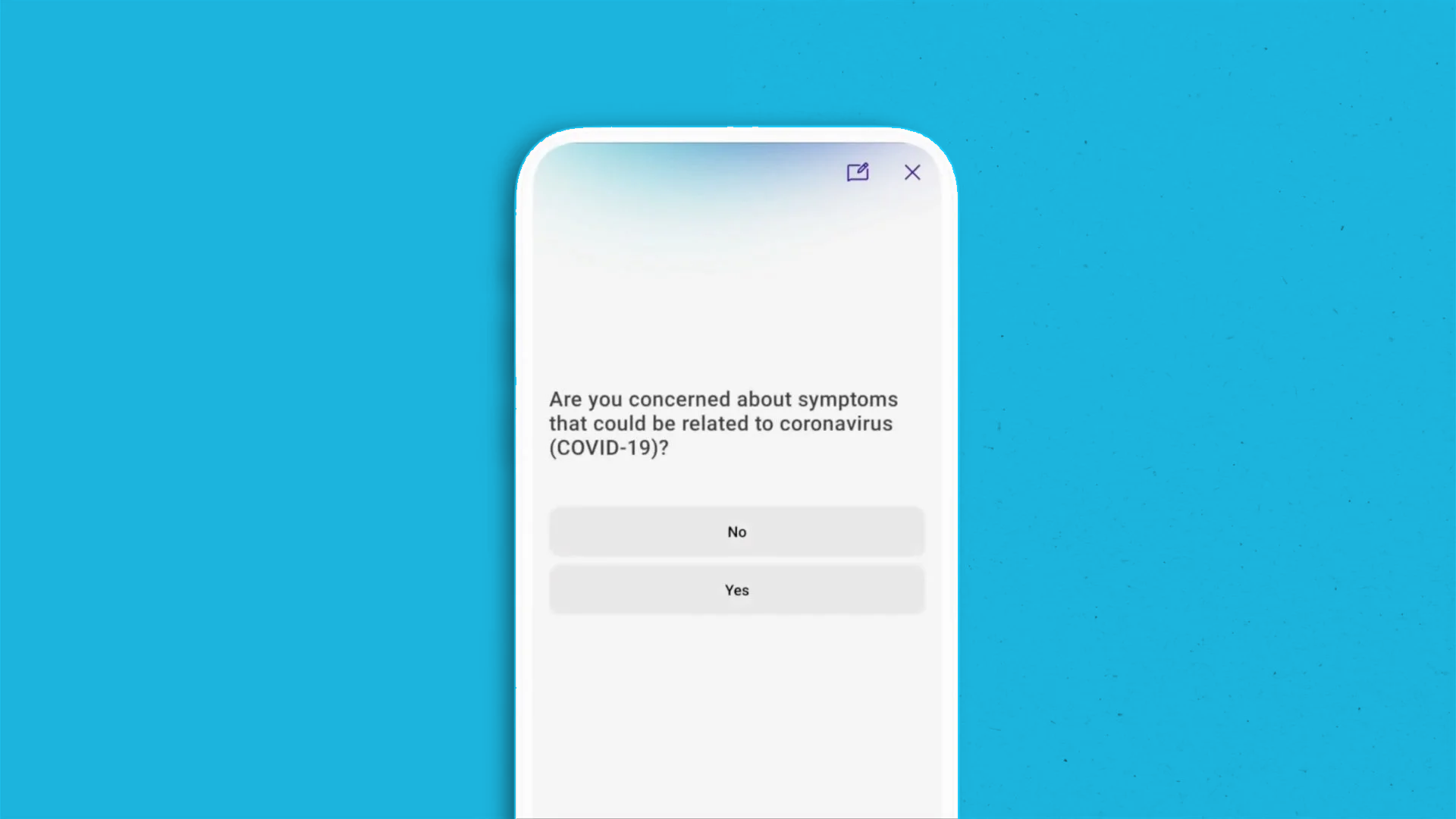
Whenever an event in the symptom checker was a possible match for Covid-19 we would divert patients to the dedicated Covid-19 assistant with its bespoke AI and pathways.
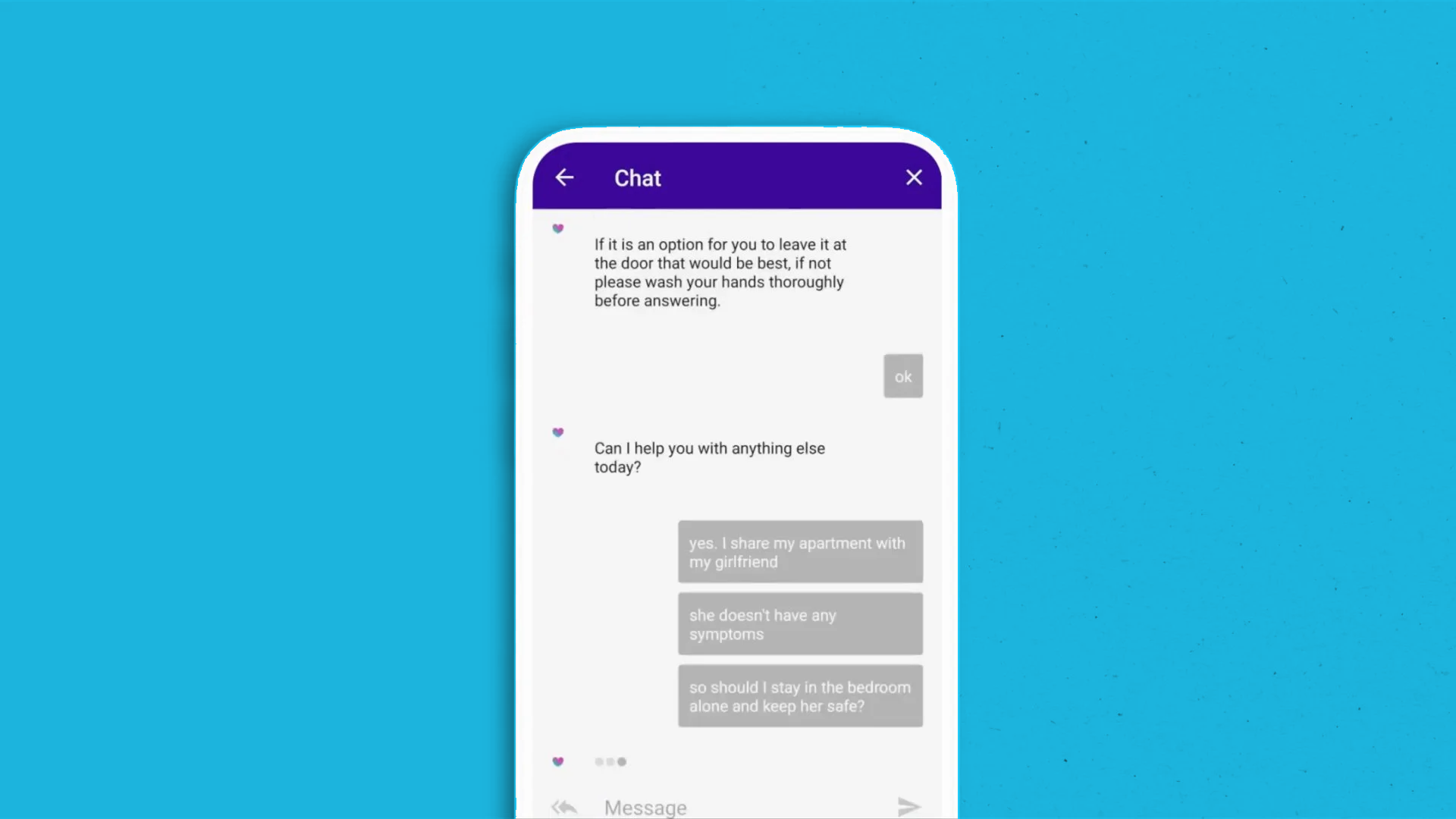
Patients could use our chat feature to ask questions and receive answers from a member of the Babylon team or the dedicated Covid Care Assistant AI.
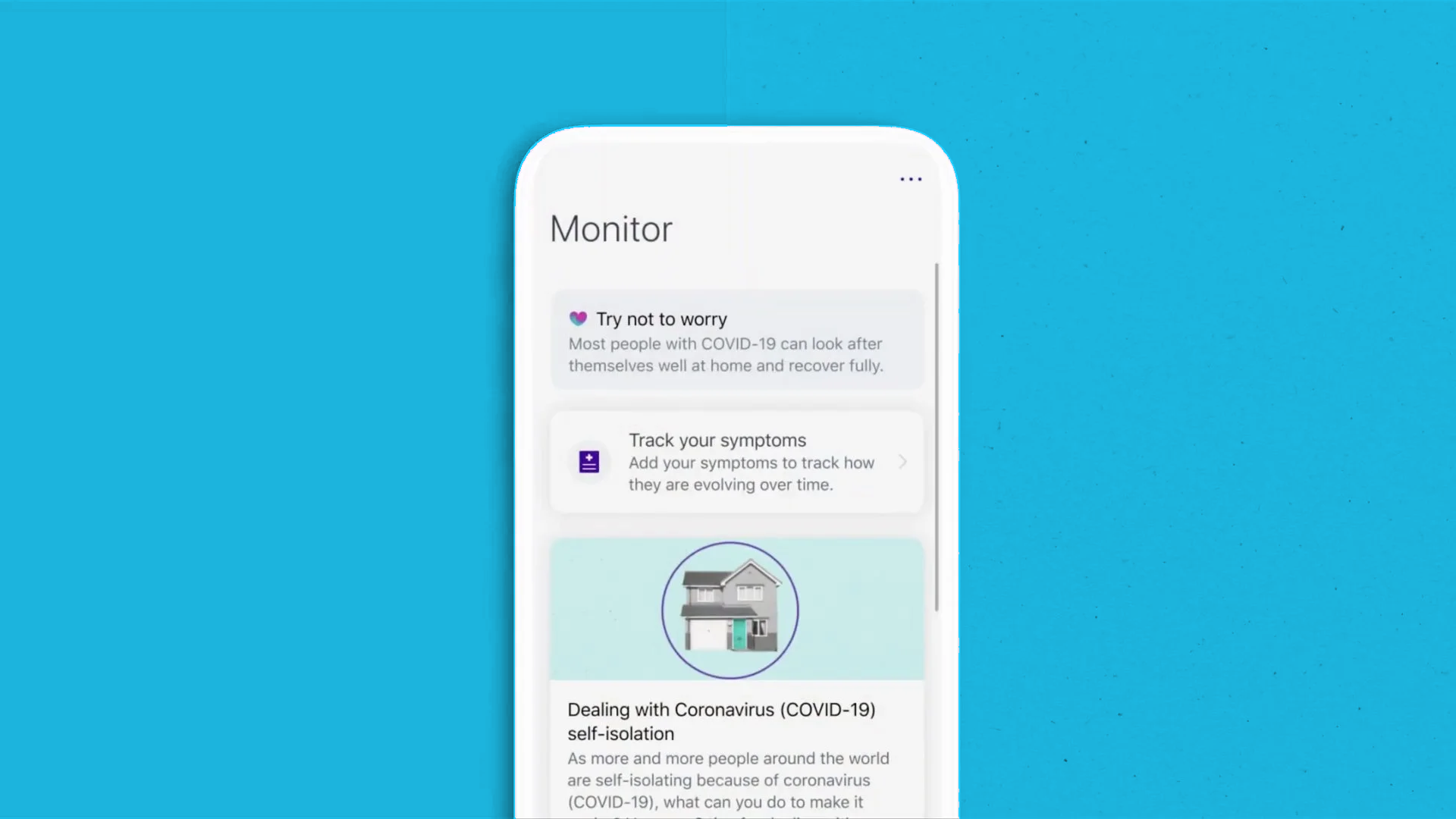
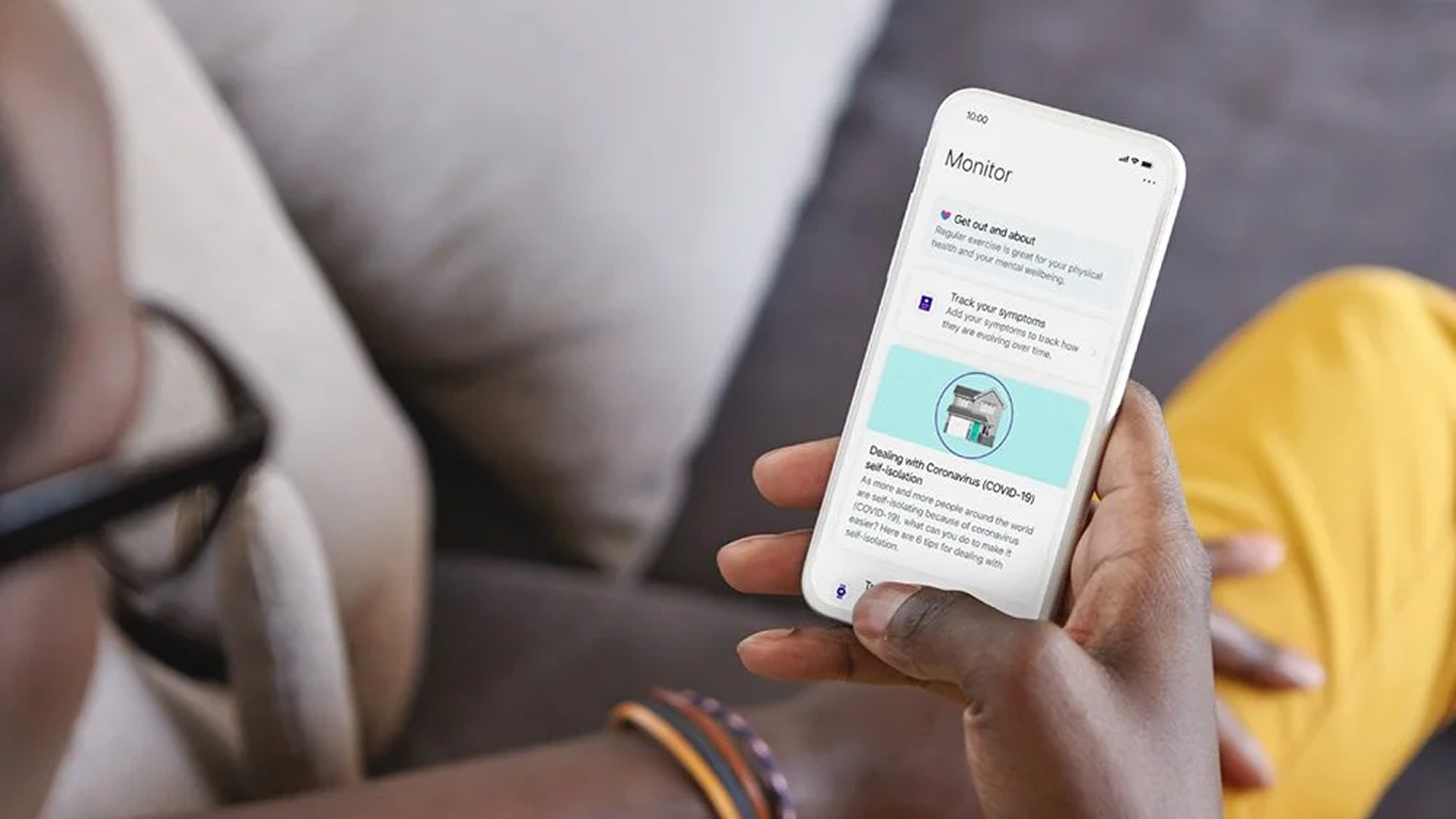
Patients also received information for isolation and other helpful tips for physical and mental well being.
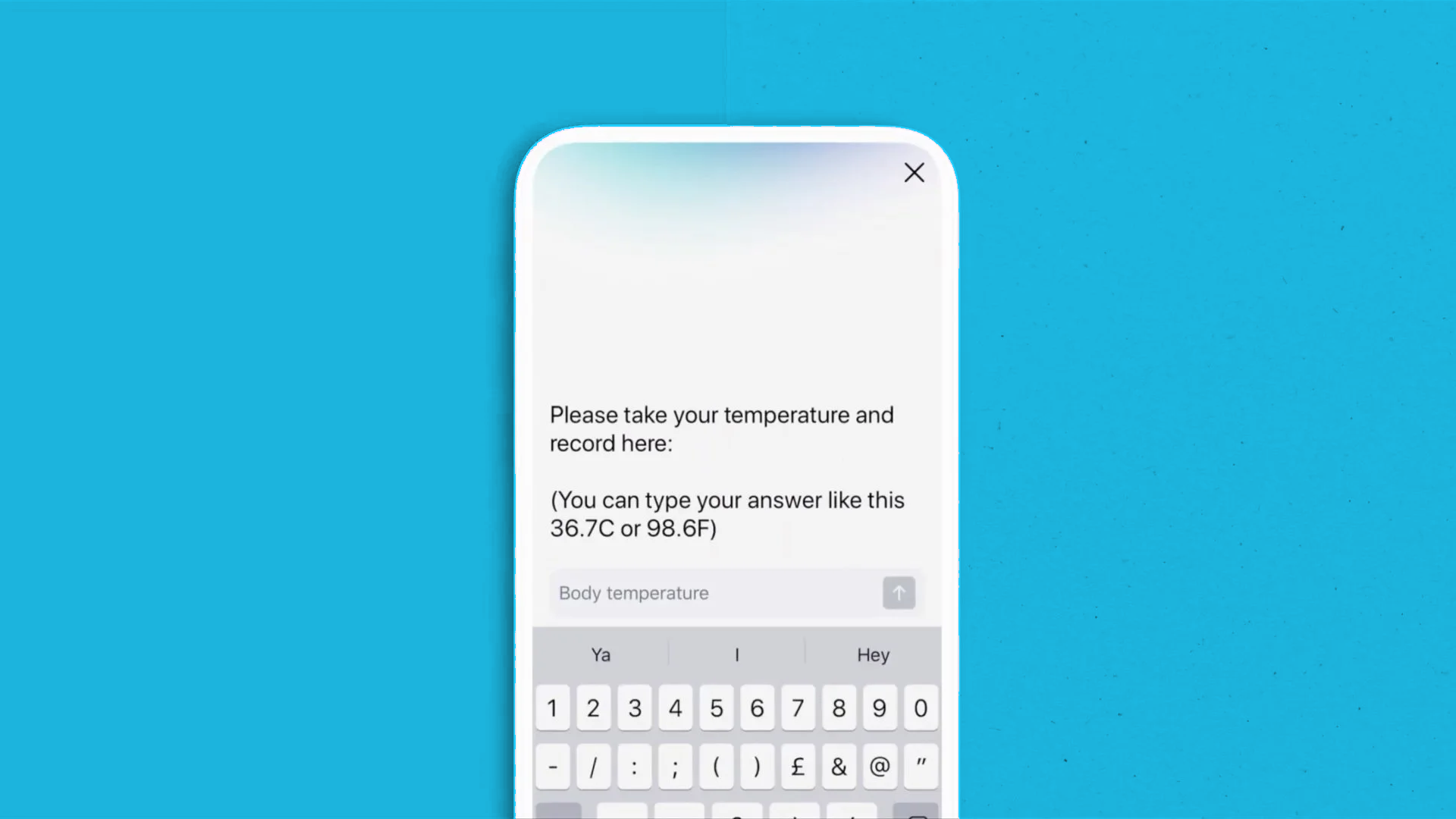
Patients got daily notifications to input and track their symptoms. Including their temperature, to understand if they were getting better or worse.

Patients could book a video consultation with a clinician, via the app or web.
What I did
Designed AI-assisted care products: Created experiences that helped users monitor symptoms, evaluate health status, and access remote care during the pandemic.
Built products for global scale: Established design system standards and led the React Native platform update, which created a consistent product foundation across iOS, Android, and web applications in 10 countries.
Led critical projects under pressure: Directed a global team across design, research, and localization while prototyping new care services during a rapidly changing public health crisis.
What I learned
The pandemic showed the importance of digital healthcare services. When users cannot access a clinician easily, a clear digital service provides accurate guidance and access to medical care. The project proved that AI in healthcare must expand human capability, maintain clinical responsibility, and preserve human judgment.