
Babylon Covid-19 Care Assistant
#healthtech #unicorn
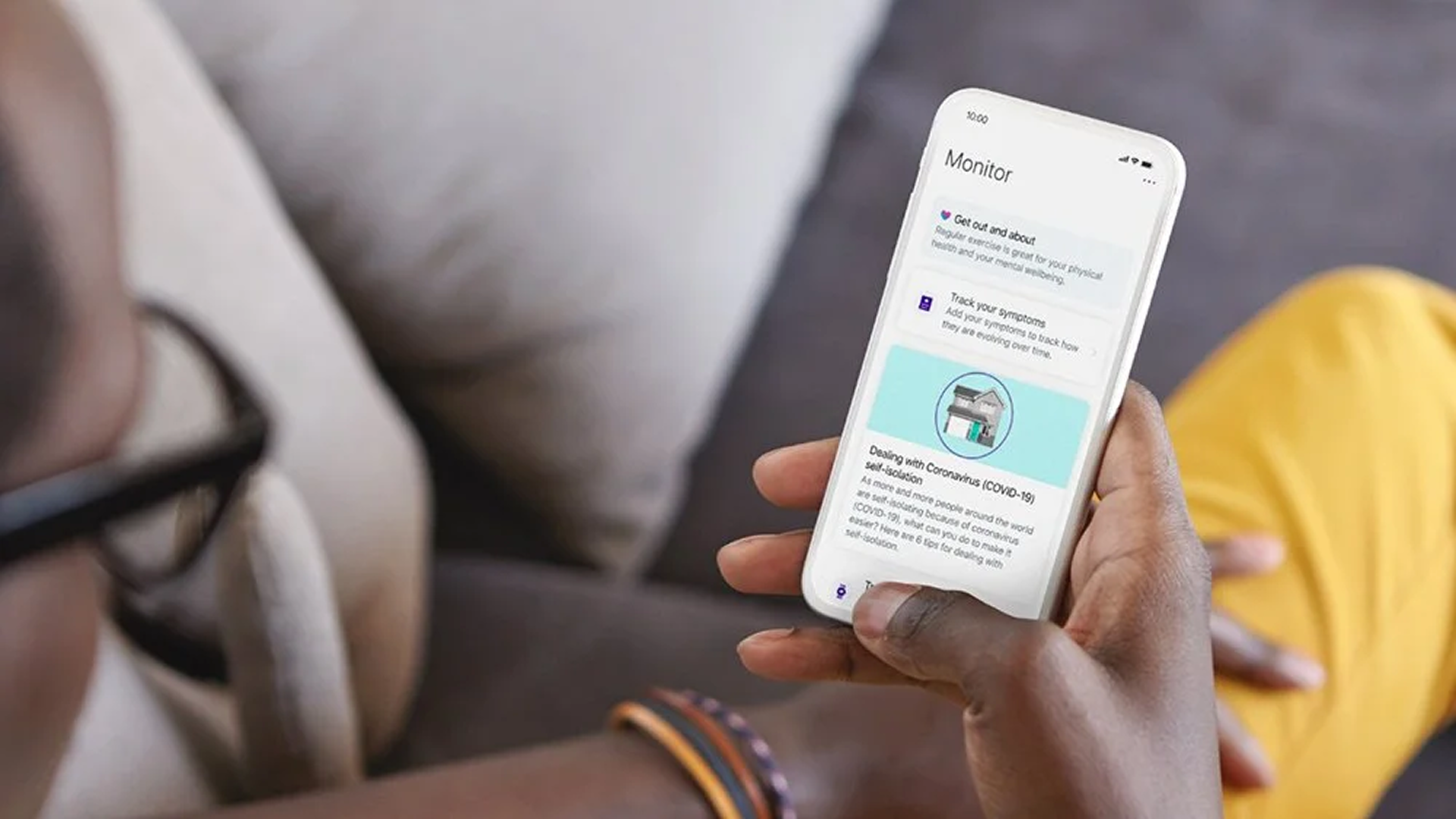
AI-powered symptom monitoring and care during the global pandemic
Overview
When COVID-19 began spreading globally in early 2020, healthcare systems faced an immediate crisis: millions of people needed guidance and triage while hospitals were already overwhelmed.
At Babylon, we used our AI health platform to rapidly build the COVID-19 Care Assistant, a digital service that helped people understand symptoms, monitor illness, and access clinical support when necessary.
As Global Creative Director for Experience Design, I led multidisciplinary teams across product, clinical, and engineering to design and launch the service at speed, helping millions of people access reliable care and information during the largest public health emergency in modern history.
My Role
Global Creative Director, Experience Design
AI-first product experience design
Conversational UX and symptom-checking flows
Clinical workflow design for telehealth consultations
Patient engagement and notification systems
Cross-functional leadership across product, clinical and engineering teams
Led experience design across global teams (~90 people) delivering new patient-facing services during the pandemic.
Results
8%
of global covid cases were cared for by us
99%
of cases avoided long-term effects
2.3 Million
daily symptoms checks handled at peak usage
4.8/5
rating in the App Store & App of The Day
24 Million
patients used the service
$4.2 Billion
IPO
Understanding the challenge
At the start of the pandemic, people were overwhelmed with uncertainty.
Patients needed answers to basic questions:
Do my symptoms mean I have COVID-19?
Should I isolate or seek medical help?
When should I go to hospital?
Healthcare systems were already under pressure, and governments expected clinician shortages.
Without scalable solutions, millions of people would turn to emergency services for guidance that could be delivered digitally.
Babylon was uniquely positioned to respond. Our existing AI symptom checker and telehealth infrastructure provided a foundation for rapidly building a dedicated COVID-19 care experience.
Defining the care model
The goal was to support large populations of low to medium risk patients without overwhelming clinicians.
The service needed to:
Provide reliable medical guidance at scale
Help patients monitor symptoms over time
Escalate cases to clinicians when necessary
Rather than creating a static information hub, we designed the system as a dynamic care assistant capable of guiding patients throughout the course of the illness.
Designing the patient experience
The COVID-19 Care Assistant combined several core capabilities.
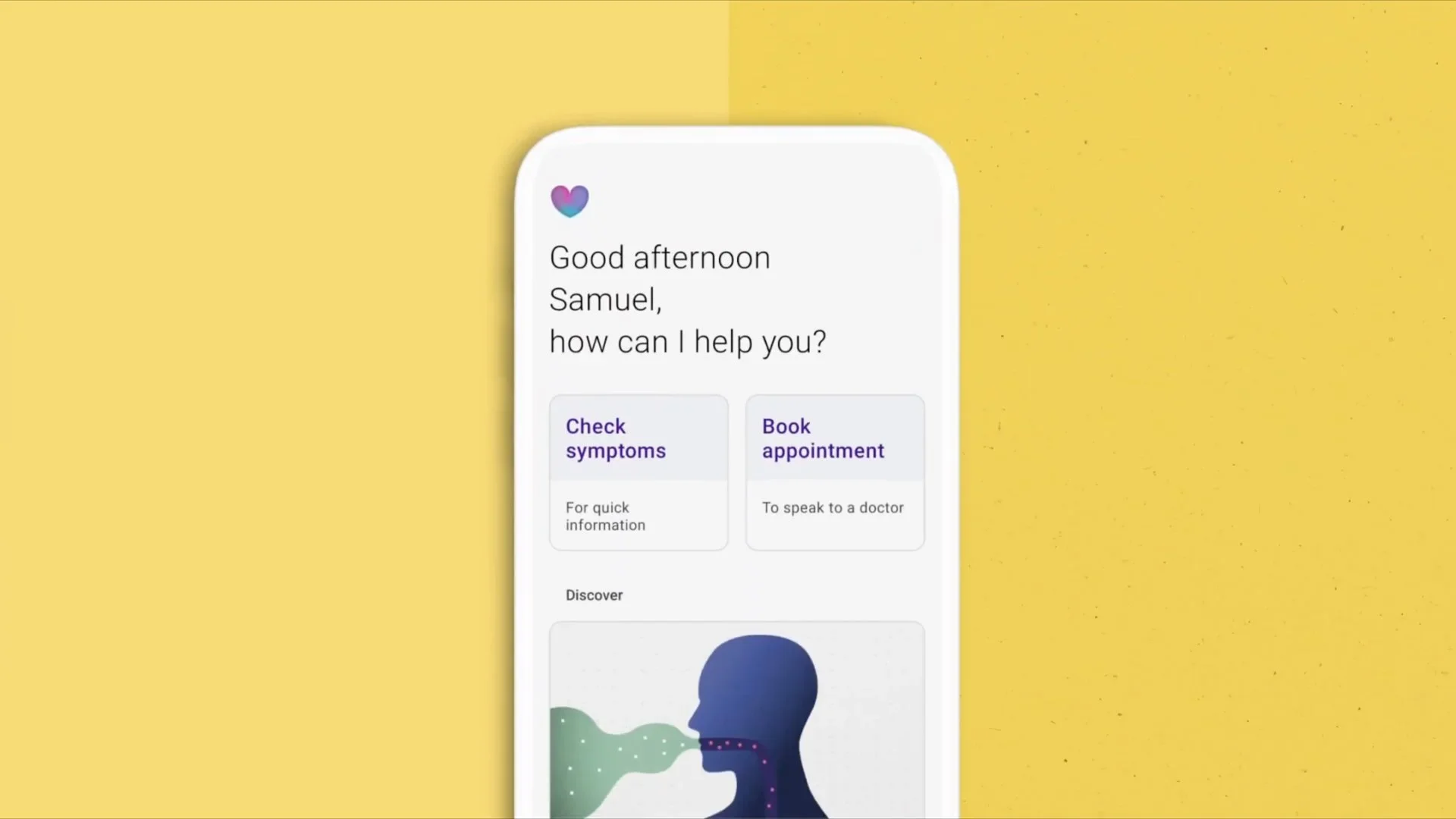
Symptom checking
Patients could describe symptoms through the Babylon AI assistant, which assessed potential COVID-19 indicators and recommended next steps.
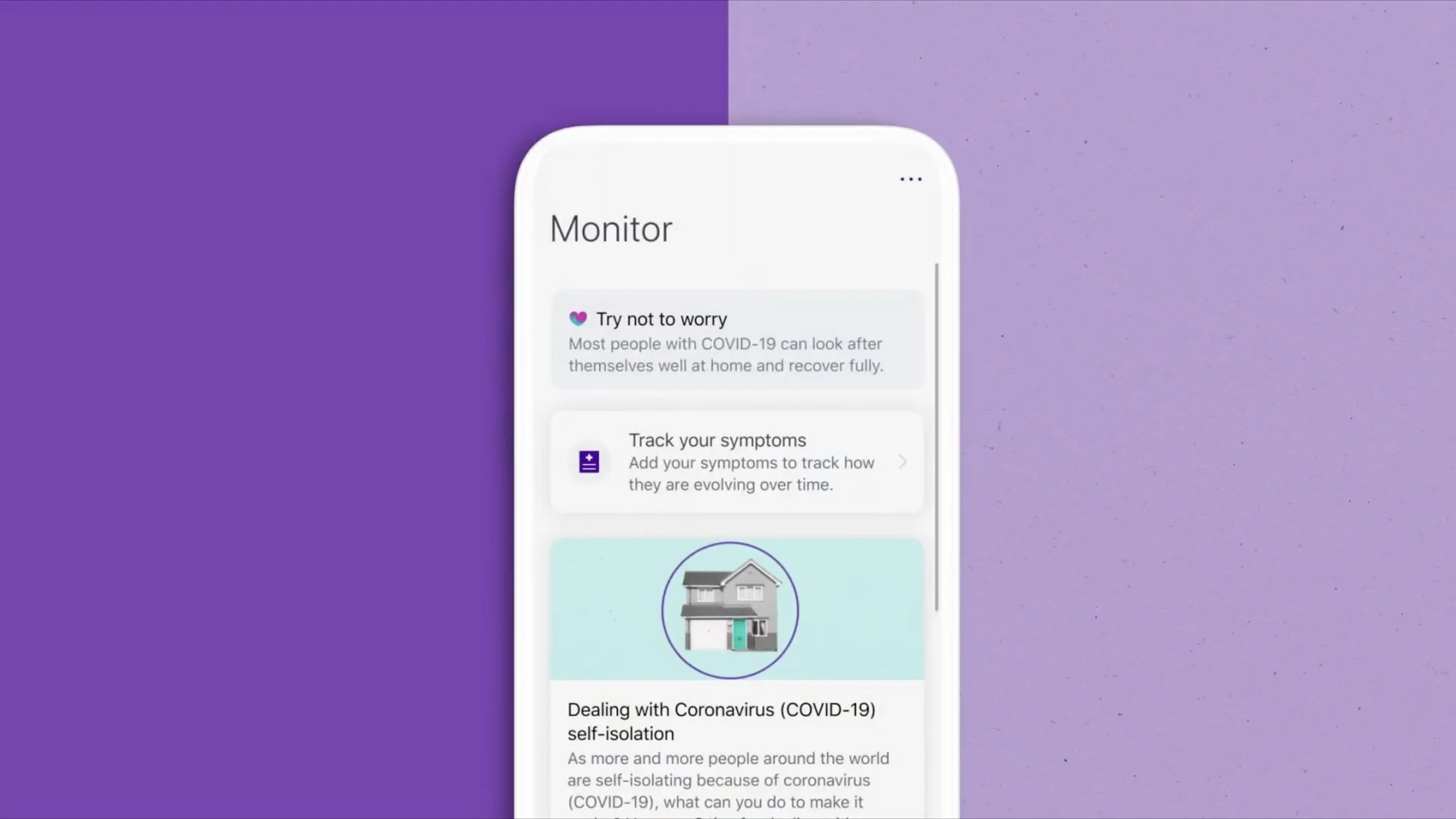
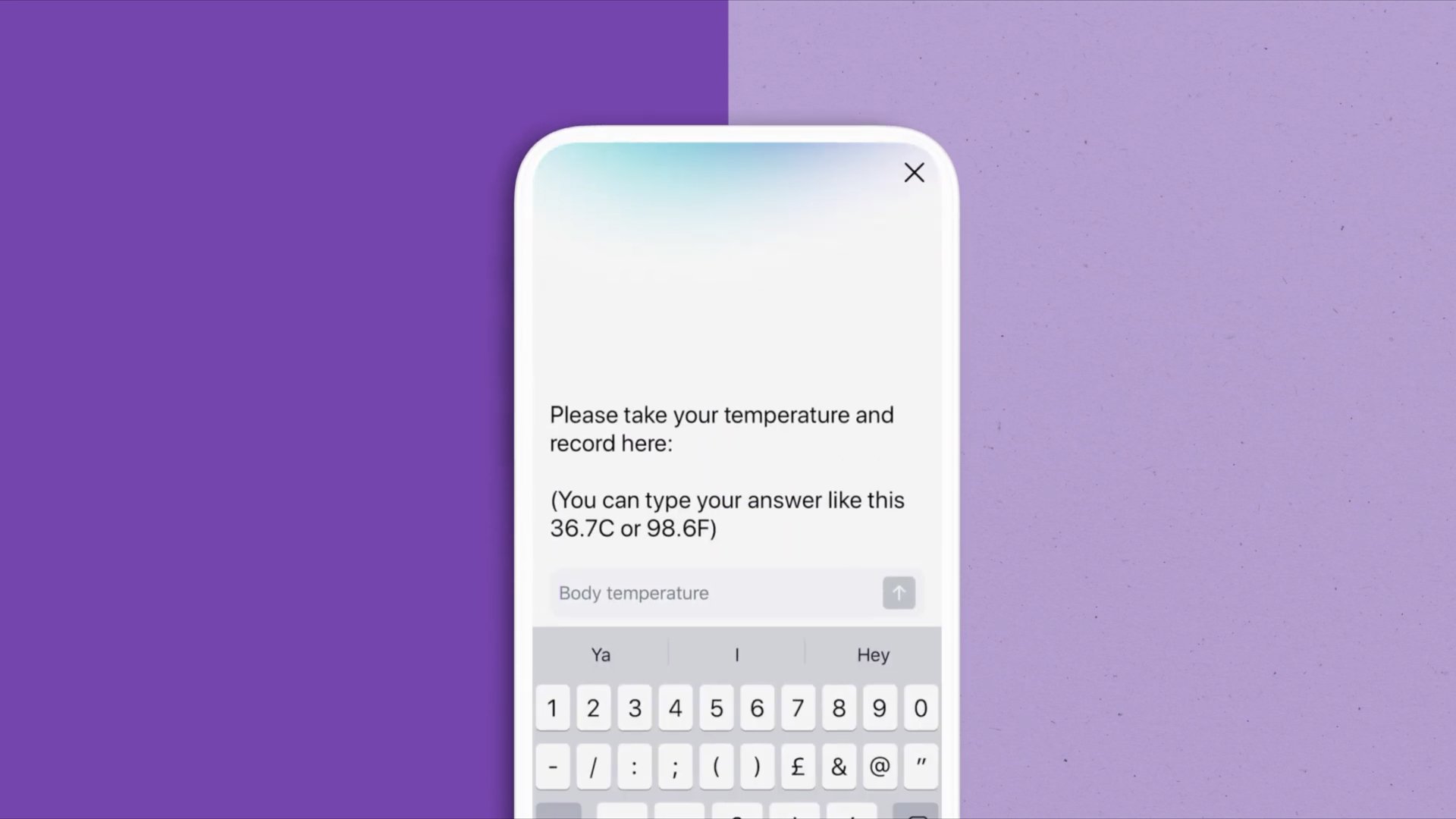
Personalised care plans
Patients received daily notifications prompting them to monitor symptoms and vital signs during isolation periods.
Guidance adapted over time based on patient responses.
Access to clinicians
When symptoms required escalation, patients could schedule video consultations with doctors directly through the platform.
Trusted information
Content was continuously updated using guidance from organisations such as the WHO and NHS to ensure patients received accurate, up-to-date advice.





Building for trust and clarity
Misinformation was widespread during the early stages of the pandemic.
The product needed to communicate medical guidance clearly and credibly while avoiding confusion or panic.
Design decisions focused on:
Clear symptom guidance and next steps
Compassionate conversational tone
Simple explanations of medical recommendations
This helped patients understand their situation and take appropriate action.
Scaling the system
The platform had to handle extraordinary demand.
At peak usage the system processed over 2.3 million symptom checks per day, supporting patients across multiple countries.
Proactive notifications and monitoring helped patients track symptoms over time while reducing unnecessary pressure on healthcare systems.
By triaging cases digitally and escalating only when necessary, the service helped clinicians focus on patients most in need of care.
Lessons learned designing AI-powered healthcare products during the pandemic
Designing healthcare products during a global crisis revealed several lessons.
Scale changes everything.
Systems designed for millions of people must prioritise clarity, reliability, and resilience.Trust determines adoption.
People will only act on medical advice if they believe the information is credible.AI works best when paired with human care.
Automation can handle large volumes of interactions, but clinician access remains essential for complex cases.
These principles continue to shape how I approach AI-driven healthcare products.
Team
Emily Sappington, Lucy Soares-Turner, Michael Owen, Adrián López Hernández, Joao Araujo, Ana Marta, Ozlem Kucukyilmaz Williams, Anna Zawilska, Claire Woodcock, Steven Chang
COMPANY / Launch
Babylon Health / 2020
Let’s work together
I'm always open to:
Founding Product Designer or Product Design Director roles
Fractional design leadership for early-stage startups
Advising teams building AI-native products
If you're building something ambitious, I'd love to hear about it.