
natwest get cash
#fintech #fortune500
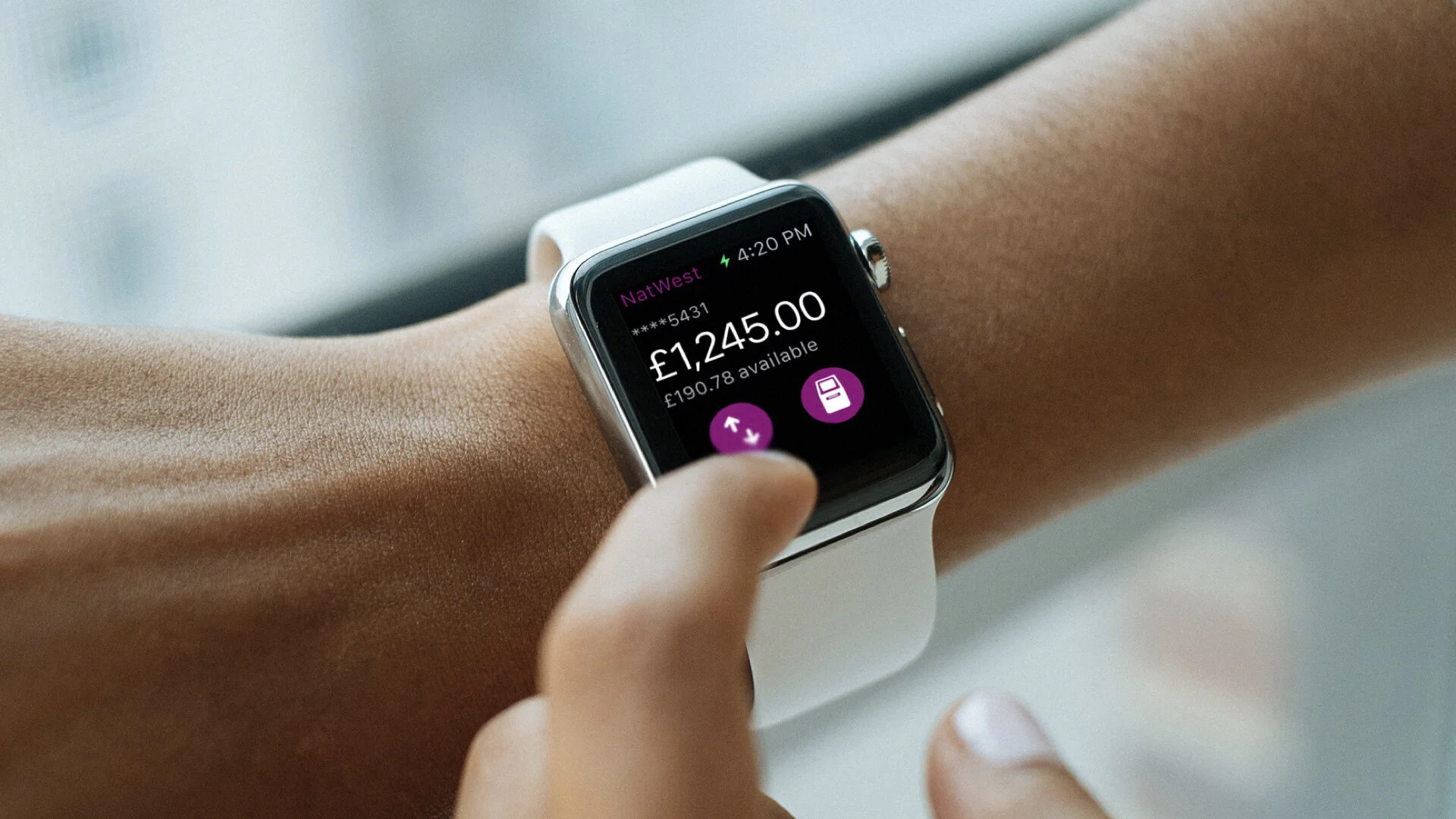
Designing a cardless cash withdrawal experience for mobile banking
Overview
For decades, withdrawing cash required a physical debit card. But as mobile banking adoption increased, customers increasingly relied on their phones as their primary financial tool.
NatWest saw an opportunity to rethink how customers access cash when they forget their card, lose their wallet, or want to help someone quickly access money.
Get Cash introduced a secure way to withdraw money from ATMs using only a mobile phone and a one-time code.
As Global Creative Director for Experience Design, I led the design of the mobile experience that enabled cardless withdrawals while working within the constraints of existing banking systems and ATM infrastructure.
The result was a new service that improved customer convenience while reducing operational costs for the bank.
My Role
Global Creative Director, Experience Design
Mobile fintech product design
Secure transaction flow design
Research-driven product strategy
Interaction design and information architecture
Legacy system integration design
Rapid prototyping and iteration
Multidisciplinary team leadership
Led the experience design for the end-to-end customer journey, from mobile request to ATM withdrawal.
Results
£22 Million
in Get Cash requests in the first year.
500,000+
Get Cash requests during the same period.
100%
cost savings per transaction for the bank
2.6 Million
peak users
2013
Cannes Gold Lion for Mobile
Understanding the problem
Customers frequently leave home without their debit cards. At the same time, smartphones had quickly become the one item people almost never forget.
NatWest already offered an Emergency Cash telephone service that allowed customers to withdraw money without a card. But the system was inefficient and expensive.
The process required:
Calling a support centre
Receiving a special code from a customer service agent
Cancelling the existing debit card
Issuing a replacement card
Each step introduced cost, friction, and unnecessary operational complexity.
This created an opportunity to redesign the experience entirely.
Insights from customer behaviour
During research we discovered something unexpected.
The bank’s security team initially believed heavy use of the Emergency Cash service might indicate suspicious activity or fraud.
In reality, many younger customers were using the service intentionally.
Some even left their cards at home before a night out so they could control spending and avoid losing their wallet.
This behaviour revealed a much broader opportunity: the service wasn’t just about emergencies. It could become a convenient everyday banking feature.
Aligning with the “Helpful Banking” strategy
NatWest had recently positioned its brand around the idea of Helpful Banking.
Rather than focusing on emergency situations, we reframed the experience around everyday convenience.
The new service would allow customers to access cash quickly, help friends or family, or simply travel lighter without carrying a wallet.
This shift helped transform the concept from a reactive support service into a proactive banking feature.
Designing the cardless withdrawal experience
Get Cash allowed customers to request a cash withdrawal directly within the mobile banking app.
The flow was designed to be simple and secure:
The customer selects an amount within the app.
The system generates a unique, one-time secure code.
The code remains valid for three hours.
The user enters the code at a participating ATM to withdraw the money.
The system worked across more than 8,000 ATMs operated by NatWest, RBS, and Tesco across the UK.


Solving technical constraints
Behind the simple user experience was significant system complexity.
The design needed to support:
Secure generation of single-use withdrawal codes
Compatibility with multiple ATM networks
Integration with legacy banking infrastructure
Protection against fraud and misuse
Close collaboration between design, engineering, and banking systems teams ensured the experience remained straightforward for customers while meeting strict security and compliance requirements.
Customer and business impact
By moving the process from a call-centre workflow to a mobile-first service, the bank dramatically reduced operational costs while improving the customer experience.
Customers gained a convenient way to access cash without a card, while NatWest reduced the overhead associated with manual support processes.
The result was a service that quickly saw widespread adoption and became a standout example of mobile banking innovation at the time.
Lessons learned designing mobile banking for frictionless cash access
Designing mobile banking services revealed several important lessons.
Customer behaviour often reveals hidden opportunities.
What initially appeared to be a security concern actually pointed to a valuable new product feature.Simple experiences often hide complex systems.
Designing intuitive interfaces requires deep collaboration with engineering and infrastructure teams.Convenience can drive both adoption and efficiency.
Improving the customer experience can simultaneously reduce operational costs.
These insights continue to shape how I approach fintech product design.
Team
Jen Heazlewood, Kin Cheung
Agency / Launch
SapientNitro / 2012
Let’s work together
I'm always open to:
Founding Product Designer or Product Design Director roles
Fractional design leadership for early-stage startups
Advising teams building AI-native products
If you're building something ambitious, I'd love to hear about it.